

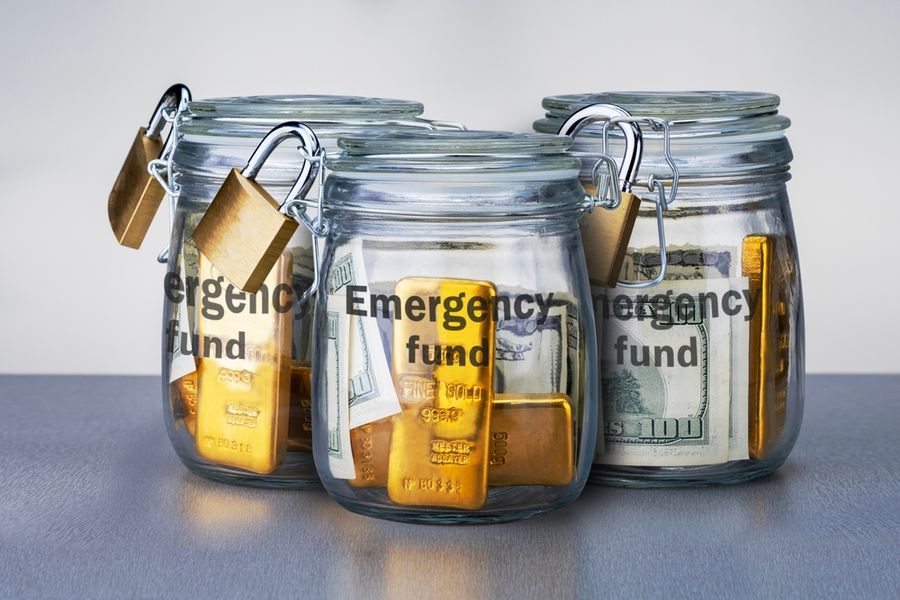
Creating an emergency fund is one of the most important steps toward financial stability. It provides a cushion for unexpected events, reduces stress, and gives you greater control over your financial future. For people looking to become more prepared, building an emergency fund does not have to be complicated or overwhelming. With simple habits, thoughtful planning, and consistent effort, anyone can create a safety net that supports long-term peace of mind and financial confidence.
Start by Defining Your Emergency Fund Goals
Before beginning to save, it helps to understand what your emergency fund should cover. An emergency fund is meant for true unexpected events—such as medical needs, car repairs, or temporary income loss—not for planned expenses. Defining the purpose of your fund gives you clarity and helps prevent accidental spending.
You can start by choosing a target that feels realistic. Many people aim to save several months of essential expenses over time, but you do not need to reach that number right away. Focusing on your first small milestone—such as a few hundred dollars—can make the process feel achievable. Once you meet that first goal, you can raise your target gradually until your fund feels sufficient for your situation.
Build Your Fund Slowly with Consistent Contributions
Consistency is more important than size when building an emergency fund from scratch. Even small amounts add up when you commit to saving regularly. One of the best ways to stay consistent is to set up automatic transfers from your checking account to a separate savings account. This removes the need to manually move money and helps ensure that saving becomes part of your routine.
If your income varies, you can adjust your contributions based on your monthly budget. Sending a small percentage of your income into your emergency fund whenever possible still leads to meaningful progress. The key is to make saving a habit rather than an occasional effort. As your financial comfort grows, you can increase your contributions or add extra money whenever you have a surplus.
Separate Your Emergency Fund from Everyday Spending
Keeping your emergency fund in a dedicated account is essential. When the money is stored in the same place as your spending money, it becomes easy to use it unintentionally. A separate savings account helps protect your fund and keeps it available only for true emergencies.
This separation also provides a psychological benefit. When the money is not mixed with your daily finances, you are less tempted to spend it, and you gain a clearer picture of your progress. Many people find it helpful to label their account with a name that reflects its purpose, such as “Emergency Savings,” to reinforce its role.
Using a separate account also makes it easier to track your growth over time. Seeing your balance rise provides motivation and helps you stay committed to your long-term goal.
Look for Small Opportunities to Boost Your Savings
In addition to regular contributions, small financial adjustments can help your emergency fund grow faster. Reviewing your monthly expenses might reveal opportunities to save money, such as canceling unused subscriptions, reducing optional spending, or choosing lower-cost alternatives for certain activities. Redirecting those small savings into your emergency fund can help speed up your progress without feeling restrictive.
Another helpful approach is to deposit windfalls—such as tax refunds, bonuses, or gifts—directly into your emergency fund. Because these amounts are not part of your regular income, saving them often feels easier. Each extra deposit strengthens your fund and brings you closer to financial security.
Small one-time actions like selling unused items or restructuring your budget can also give your emergency fund a meaningful boost. These strategies are flexible and can be used whenever you want to make faster progress.
Stay Patient and Celebrate Your Progress
Building an emergency fund takes time, especially when starting from zero. It is important to be patient and stay focused on steady progress rather than quick results. Every contribution, even the smallest one, brings you closer to financial protection.
Celebrating milestones can help you stay motivated. Whether it's your first $100, your first $500, or your first month of essential expenses saved, recognizing your achievements reinforces your positive habits. Saving becomes more rewarding when you can see how far you have come.
Remember that your emergency fund does not have to be perfect to be helpful. Any amount saved provides more security than having nothing set aside. Over time, your continued efforts will create a strong foundation that protects you during unexpected moments.
Your Efforts Today Build Tomorrow’s Stability
Building an emergency fund from the ground up is a powerful step toward financial peace of mind. By defining your goals, saving consistently, separating your funds, and taking advantage of small opportunities to increase your balance, you create a reliable safety net that supports your future.
While the process takes time, the stability it brings is worth every effort. With patience, structure, and steady habits, you can build an emergency fund that strengthens your confidence and prepares you for whatever life brings.